Doing CPR on a child or a baby frightens people even more than doing it on an adult. The reassuring part is that the plan is the same, and your willingness to act still matters more than perfect form.
The big difference is the cause. In adults, the heart usually stops first. In children and babies, it is far more often a breathing problem that leads to the heart stopping, so rescue breaths carry more weight here.
What is different
Children, about one to puberty
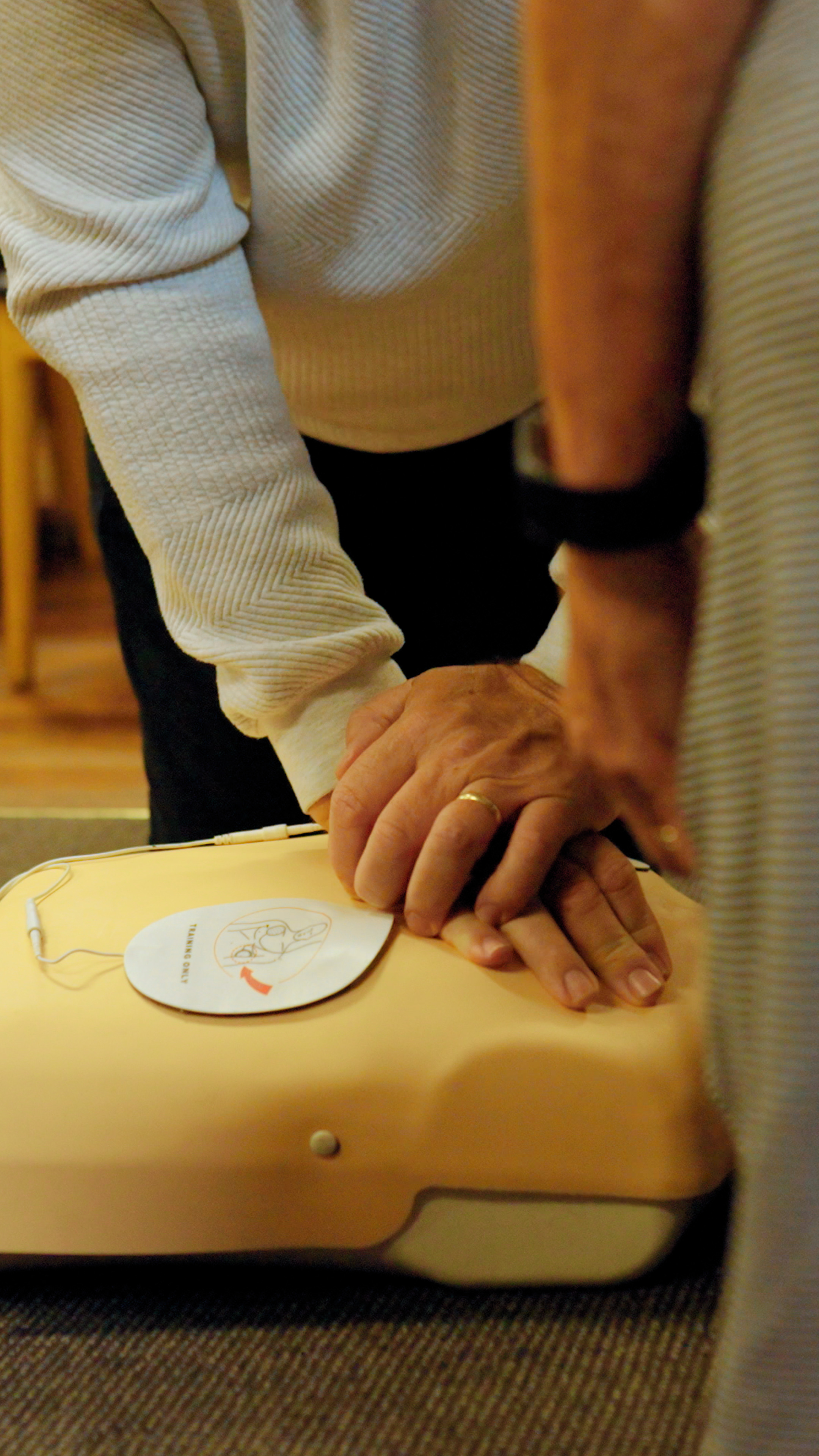
Use one or two hands in the centre of the chest, pushing about a third of its depth. Add breaths if you are willing and able.
Babies, under one
Use two fingers in the centre of the chest, with gentle breaths that just make the chest rise. Think small and soft.
Same rhythm
Push hard and fast, about twice a second, and keep the cycle going until help arrives.
If you are on your own with a child or baby who is not breathing, give care for a short while first, then put 000 on speaker and keep going. The call-taker will guide you the whole way.
General guidance in line with Australian Resuscitation Council advice, not a substitute for training. Take the free course, and call 000 first in an emergency.
 Written by the Dave Winner Foundation